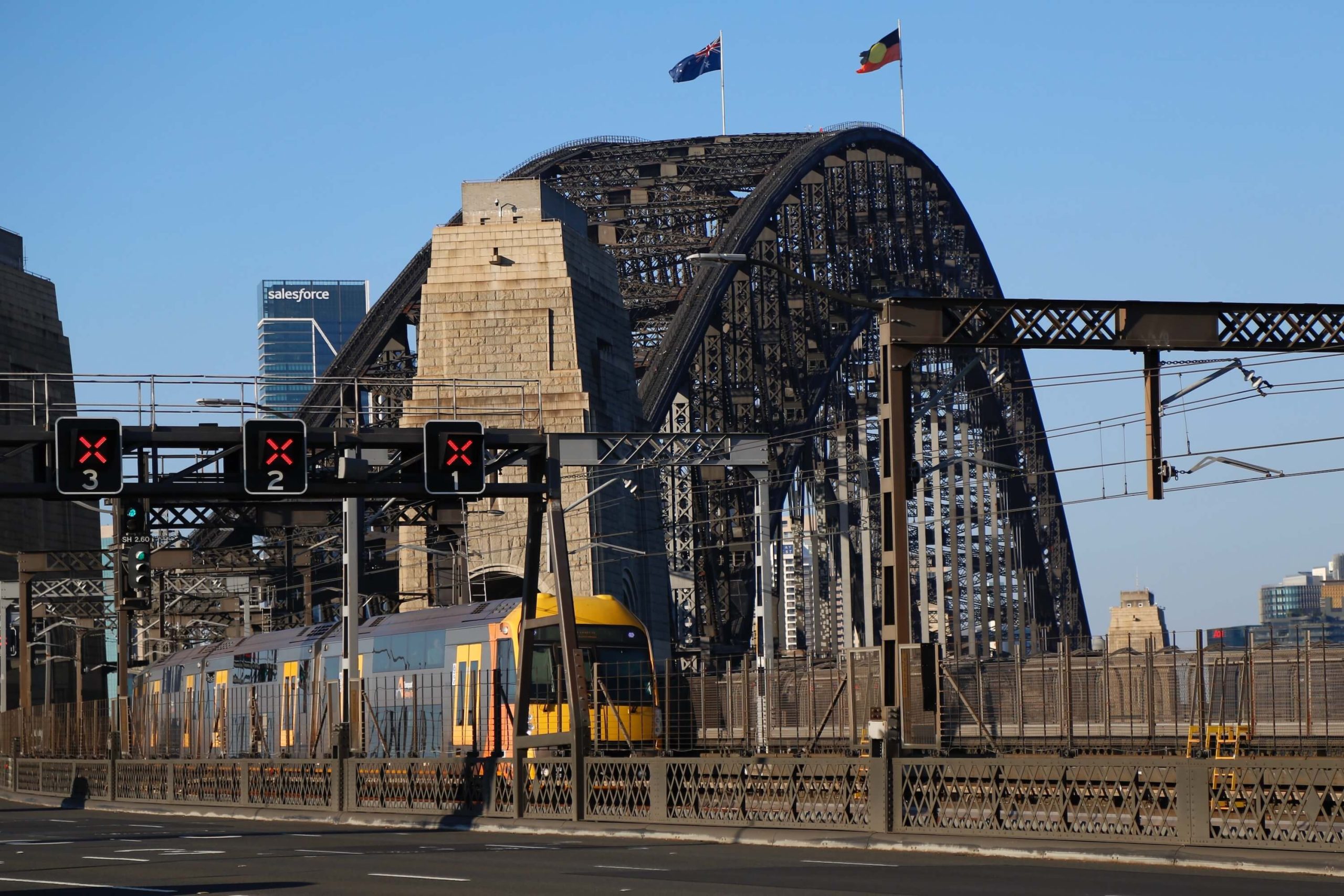
You don’t need a car to visit Sydney’s best beaches, most iconic landmarks, and popular day trips. Sydney’s network of trains, buses, light rail, metro, and ferries can take you to destinations all over the city.
This is your guide to getting around Sydney using the city’s public transport network.
Using Public Transport in Sydney
Sydney’s public transport network includes trains, buses, light rail, metro, and ferries.
If you’re visiting Sydney, it’s easy to get to and from the airport, around the city, and visit top attractions using public transport.
You can also get to many popular day trips from Sydney via public transport. The Blue Mountains, Kiama, Newcastle, and Wollongong are all accessible by train from Sydney CBD.
You can plan your trip using Trip Planner or via one of the public transport apps.
It’s easy to get around Sydney using public transport. You can pay using an Opal Card, or contactless credit card, debit card, or payment card in your digital wallet. Simply use your preferred card to tap on at the start of your journey and tap off at the end.
Generally, the only mode of public transport that requires you to request a stop is buses.
Trains, light rail, metro, and ferries will stop at all scheduled stops. You can find out what the scheduled stops are by looking at the indicator boards at the station or by viewing the timetable in your public transport app.
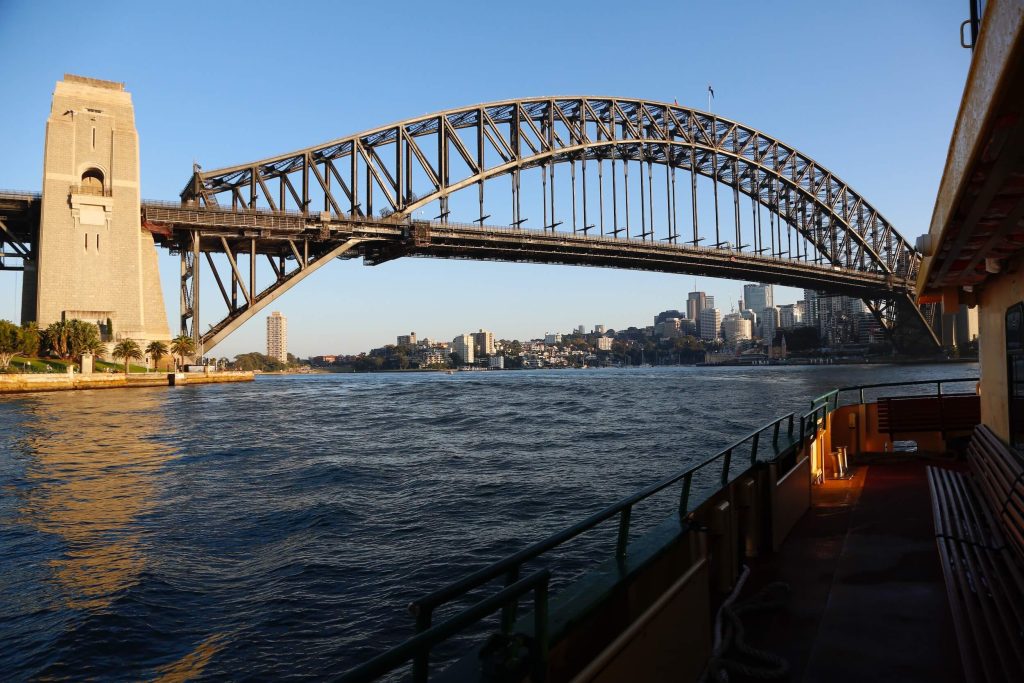
How to catch a bus in Sydney
To catch a bus in Sydney, go to the nearest bus stop on your buses route and raise your arm when the bus is approaching to indicate to the driver that you would like to get the bus.
To get off the bus, you press the red ‘stop’ button, located on the poles attached to seats.
If you’re unsure of where your stop is, you can ask the driver, or use an app like TripView to follow your bus route via the real time updates.
Some Sydney buses have screens and audio announcements of each upcoming stop, but this is not available on all buses so should not be relied upon.
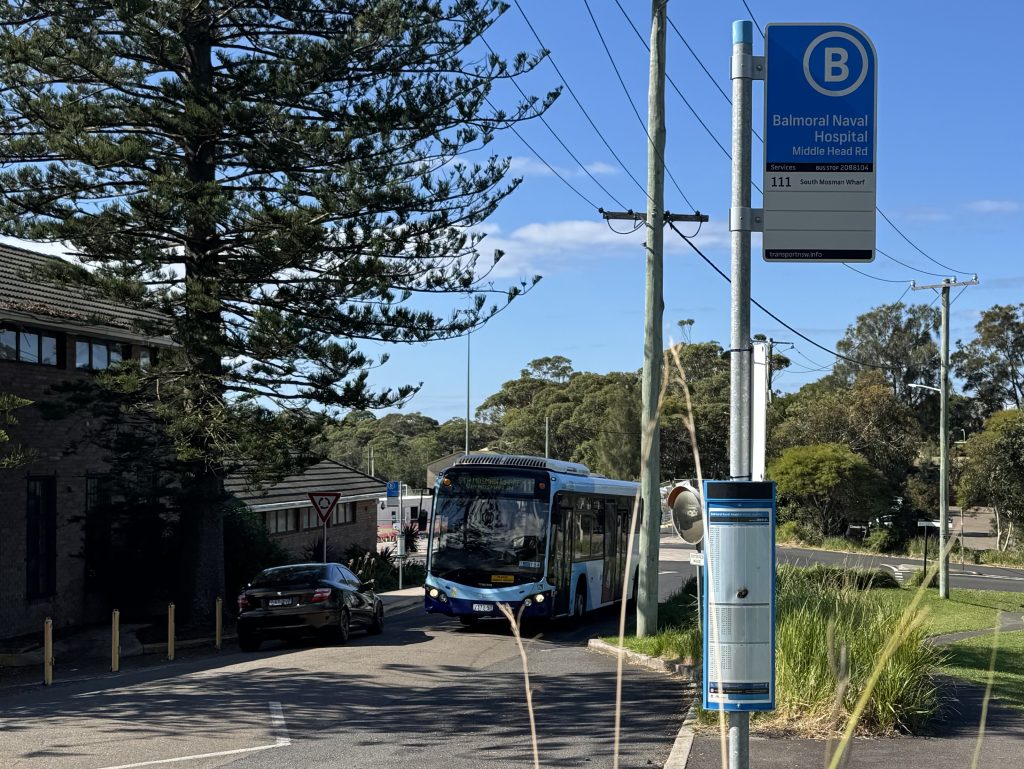
Best Public Transport Apps To Use in Sydney
Opal Travel App: this is the official Transport for NSW app. You can use the Opal Travel App to plan your travel, view real time departures, and you can top up your Opal card and view recent activity.
TripView: the TripView app provides trip planning for public transport in Sydney, Melbourne, and Brisbane. The paid version will allow you to save your favourite trips.
Download a public transport app like Opal Travel or TripView so you can access real-time transport timetables and plan trips around Sydney on-the-go.
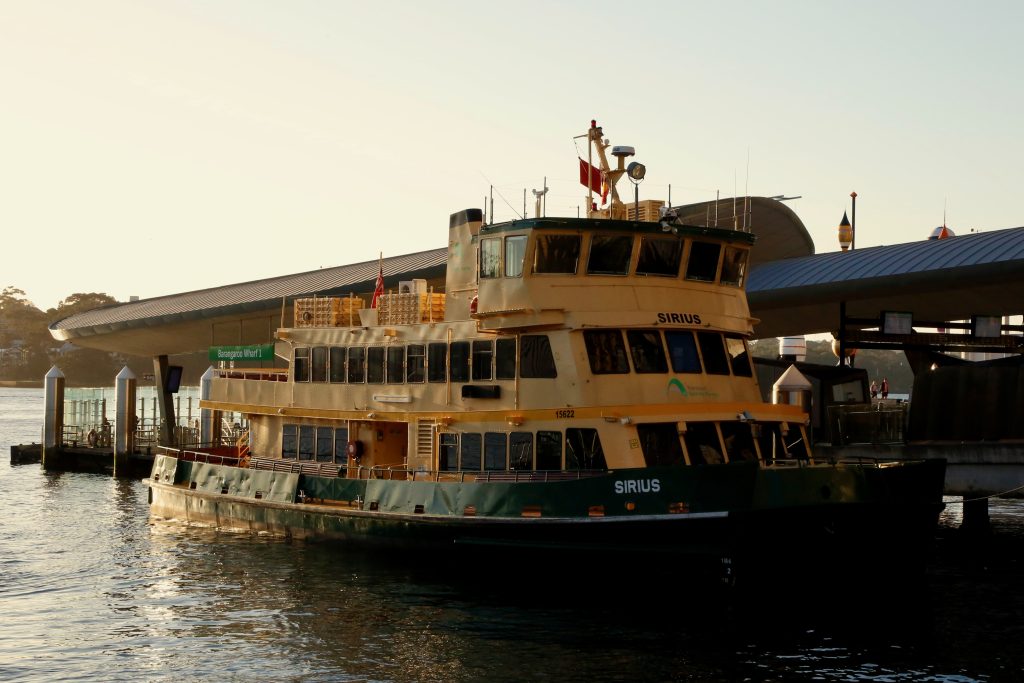
Getting To Popular Sydney Attractions On Public Transport
You don’t need a car to reach Sydney’s most popular attractions. Whether you’re wanting to see landmarks like the Sydney Harbour Bridge and Sydney Opera House or visit Sydney’s best beaches, public transport can take you there.
Sydney Harbour Bridge
To get to the Sydney Harbour Bridge you can take the train, ferry, light rail, or bus to Circular Quay.
The public transport stops closest to the Sydney Harbour Bridge:
- Circular Quay train station
- Circular Quay ferry wharf
- Circular Quay light rail stop
- Circular Quay, Young St bus stop
Sydney Opera House
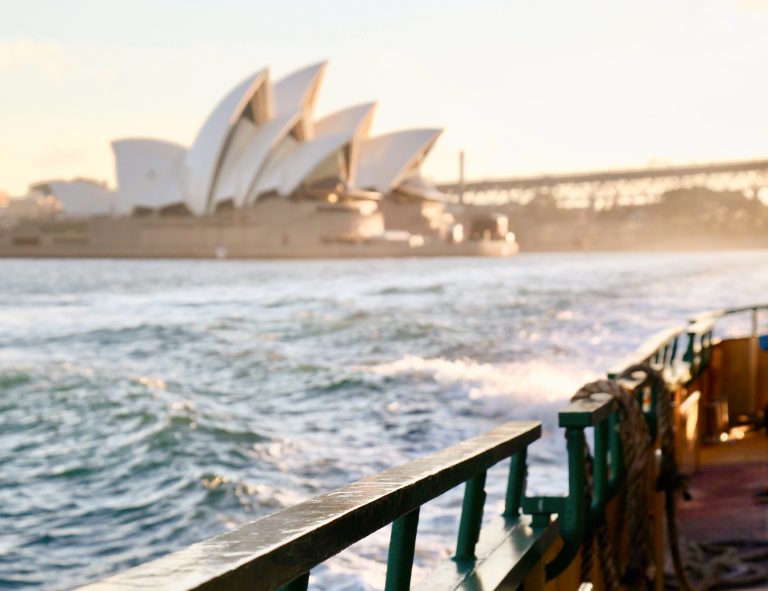
To get to the Sydney Opera House you can take the train, ferry, light rail, or bus to Circular Quay.
The public transport stops closest to the Sydney Opera House:
- Circular Quay train station
- Circular Quay ferry wharf
- Circular Quay light rail stop
- Circular Quay, Young St bus stop
Bondi Beach
To get to Bondi Beach, you can take a bus from central Sydney all the way to the beach, or you can take the train to Bondi Junction and then change onto a bus to connect through to the beach.
The public transport stops closest to Bondi Beach:
- Bondi Beach, Campbell Parade bus stop
- Bondi Junction train station
Manly Beach
To get to Manly Beach, you can take a ferry from Circular Quay. If you’re travelling from the city of the Northern Beaches, Manly Beach can also be reached by bus.
The public transport stops closest to Manly Beach:
- Manly ferry wharf
- Manly, West Esplanade bus stop
Sydney Chinatown
To get to Sydney’s Chinatown, you can take the the light rail, trains, metro, or buses. Chinatown in Sydney is about 5-10 minute walk from both Central Station and Darling Harbour.
The public transport stops closest to Sydney Chinatown:
- Capital Square or Paddy’s Market light rail stop
- Central train station
Darling Harbour
To get to Darling Harbour, you can take a ferry to Barangaroo or Pyrmont, a bus to Sussex St in the city, or the light rail to either Convention or Exhibition Centre stops. Darling Harbour is walkable from many places in the city including Town Hall and Chinatown.
The public transport stops closest to Darling Harbour:
- Convention or Exhibition Centre light rail stop
- Barangaroo ferry wharf
- Pyrmont Bay ferry wharf
- Sussex St bus stops
Taronga Zoo
To get to Taronga Zoo, you can take a ferry from the city or a bus from the city or Balmoral.
The public transport stops closest to Taronga Zoo:
- Taronga Zoo ferry wharf
- Taronga Zoo, Athol Wharf Rd bus stop
- Taronga Zoo, Bradleys Head Rd bus stop
Watsons Bay
To get to Watsons Bay, you can take a ferry from the city or a bus from Bondi or Walsh Bay. From Watsons Bay you can visit Camp Cove Beach (10 minutes’ walk) and South Head (20 minutes’ walk).
The public transport stops closest to Watsons Bay:
- Watsons Bay ferry wharf
- Robertson Park, Military Rd bus stop
Sydney Airport
You can travel between Sydney Airport and central Sydney by train. There are train stations at both Sydney Domestic Airport and Sydney International Airport. The stations are located under the terminals and you can find them by following signs within the airport.
There is a station access fee of approximately $18AUD that is included in the price of travelling to or from an airport station in Sydney. Because of this, some choose to take the train to Mascot Station (25 minutes walk from the domestic terminals) or Wolli Creek (30 minutes walk from the international terminals) to avoid paying the fee.
There are also bus stops at both Sydney domestic and international, however the buses from the airport do not travel to the city.
You can also get a bus from domestic or international terminals to stops between Burwood and Mascot. If you’re travelling to the eastern suburbs, you can get a bus from the domestic terminal to Bondi Junction.
Frequently Asked Questions
How do you get around Sydney on public transport?
Sydney’s public transport network includes trains, metro, light rail, buses, and ferries. You can travel anywhere in the network by tapping on and off with a contactless card (such as your credit or debit card, or a payment card linked to your digital wallet, or with an Opal card).
Thanks to Sydney’s extensive public transport network, it is easy to get around the city and to major attractions without a car.
Is public transport in Sydney free?
Public transport in Sydney is not free. Public transport costs vary depending on how and where you’re travelling. You can find out how much your fare will be by using Trip Planner. There are also daily and weekly fare caps.
How do I pay for public transport in Sydney?
You can pay for public transport in Sydney with contactless credit or debit card, via a payment card linked to a digital wallet on your device, or by Opal Card. Simply tap on at the start of your journey and tap off at the end, using the same payment method.
Is it cheaper to pay with card or Opal?
Regardless of whether you choose to use an Opal Card or contactless card on Sydney public transport, you’ll pay the same Adult fare and receive the same Opal benefits such as daily and weekly fare caps. To pay the right fare, you should make sure whichever payment method you select, you use the same method every time you tap on and off.
If you’re after information about concession eligibility and fares on public transport in Sydney, you can learn more here.
How much does Sydney public transport cost?
You can see the exact cost of your trip on public transport when you plan your trip on the Transport for NSW website or via the Opal Travel mobile app. Daily and weekly caps also apply. There is a daily cap of $19.30 per day Monday to Thursday, $9.65 Fridays to Sunday, and a weekly cap of $50.



3 Comments